
Anovulation
Anovulation at a glance:
- Anovulation, a common cause of infertility, means the lack of ovulation or absence of ovulation.
- Ovulation, the development and release of an egg from a woman’s ovary, must occur for a woman to become pregnant.
- The most common cause of anovulation is a chemical imbalance in the hormones that cause a woman to ovulate, as seen with polycystic ovary syndrome (PCOS).
- Treatments vary depending on cause and severity, and can include medication, lifestyle changes or in vitro fertilization (IVF).
- Just because a woman has menses (a period), this does not always mean ovulation has occurred.
What is anovulation?
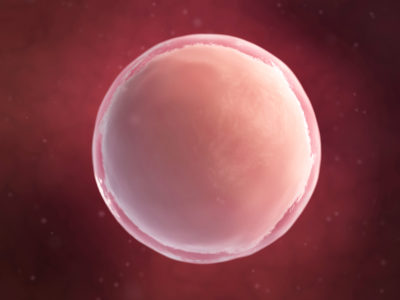
Anovulation is when a woman does not ovulate (releasing an egg cell from her ovaries) during her monthly menstrual cycle. Typically, a woman will ovulate about 14 days prior to her menstruation, meaning if she has menses every 28 days, then she typically ovulates around cycle day 14. On the other hand, if she menstruates every 35 days, then she typically ovulates around cycle day 28.
During ovulation, hormones produced by the hypothalamus and the pituitary gland cause an egg cell (oocyte) to be released by the ovaries. The oocyte then travels from the ovaries through the fallopian tubes in the direction of the uterus.
If the oocyte is successfully fertilized by sperm, the resulting embryo will implant in the uterus and pregnancy begins. If unfertilized, the oocyte will exit the body during menstruation.
Anovulation is usually – although not always – accompanied by oligomenorrhea (irregular menstruation) or amenorrhea (lack of menstruation).
What causes ovulation?
The part of the brain called the hypothalamus secretes GnRH (gonadotropin-releasing hormone), which in turn prompts the pituitary gland to release FSH (follicle stimulating hormone) and LH (luteinizing hormone).
FSH directly stimulates egg follicles within the ovary. Most women have multiple egg follicles, but typically only the most sensitive follicle grows. (This is sort of like whispering to a crowd of people and getting the attention of only one person – the person with the best hearing.)
Meanwhile, LH is causing cells within the ovary to make testosterone. As the egg follicle grows, it converts testosterone into estrogen which in turn builds the uterine lining. Once the egg follicle is a mature size, usually around 18-22 mm, it is secreting a high amount of estrogen and it begins to secrete a small amount of progesterone. This hormone combination triggers a massive spike in LH, which causes the mature egg follicle to release its egg into the fallopian tube and to make large amounts of progesterone.
Fertilization must happen within 12-24 hours of ovulation, or the egg will expire. However, if fertilization does occur, about 5 days after ovulation the embryo reaches the uterus. And if it attaches to the wall of the uterus, pregnancy is established and progesterone continues to rise.
If fertilization or implantation do not occur, the progesterone will fall. This creates a cascade of events that causes the entire uterine lining to shed over the course of 1-5 days.
What causes anovulation?
Anything that disrupts the events described above can cause anovulation. Because the process of ovulation depends on a very complex system involving the hypothalamus, the pituitary gland, the ovaries and the hormones and other chemicals exchanged by these systems, there are multiple ways to interfere with ovulation.
Anovulation is most commonly caused by some sort of chemical imbalance that disrupts this system. Common causes and underlying conditions include the following.
Polycystic ovary syndrome. Women with PCOS, a hormonal disorder marked by small cysts on the ovaries, often fail to ovulate. PCOS may also be accompanied by acne and excessive hair growth (hirsutism).
Excessive exercise and/or low body weight. If a woman regularly participates in heavy physical exertion or has a low body mass index (BMI), her pituitary gland may fail to produce sufficient LH and FSH. These are two important hormones that aid in ovulation.
Obesity. On the other end of the spectrum, if a woman’s BMI is excessively high, she may produce an excess of testosterone and androgens. This can result in a chemical imbalance that leads to anovulation.
Stress. Excessive amounts of stress and anxiety in a woman’s life can cause an imbalance in GnRH, LH and FSH.
Anovulation may also occur in conjunction with diminished ovarian reserve, thyroid disease, dysfunction of the pituitary gland and premature menopause.
How to tell if ovulation occurs
Generally, a woman who has regular, predictable menses ovulates – especially if she has symptoms like breast tenderness, bloating or mood change that precede menstruation. Ovulation predictor kits can test a woman’s urine to see when a spike in the LH occurs. Basal body temperatures can also be used to determine if a woman is ovulating. Women can also have their physician check for ovulation by evaluating a serum progesterone level approximately 7-9 days prior to expected menses.
How is anovulation treated?
First, a woman is thoroughly evaluated by a physician to determine the underlying cause of anovulation or suspected anovulation. The cause will ultimately dictate the course of treatment. Broadly, treatment falls under two categories: lifestyle changes and medical treatment.
Lifestyle changes
When possible, a conservative, lifestyle-oriented approach may be an appropriate first line of treatment. This includes:
- Proper diet
- Weight loss if a woman is obese
- Weight gain if a woman is underweight
- Modification of exercise habits if overexertion is identified
- Stress management techniques.
Medical treatment
If changes to lifestyle are ineffective or inappropriate given the underlying cause, a number of medical treatments can correct anovulation. Often, medical treatment is administered in conjunction with lifestyle modifications. Medical treatment methods must be administered by a trained physician and include:
- Ovulation-inducing medications or injections
- Hormone therapy
- Intrauterine insemination (IUI) or IVF.